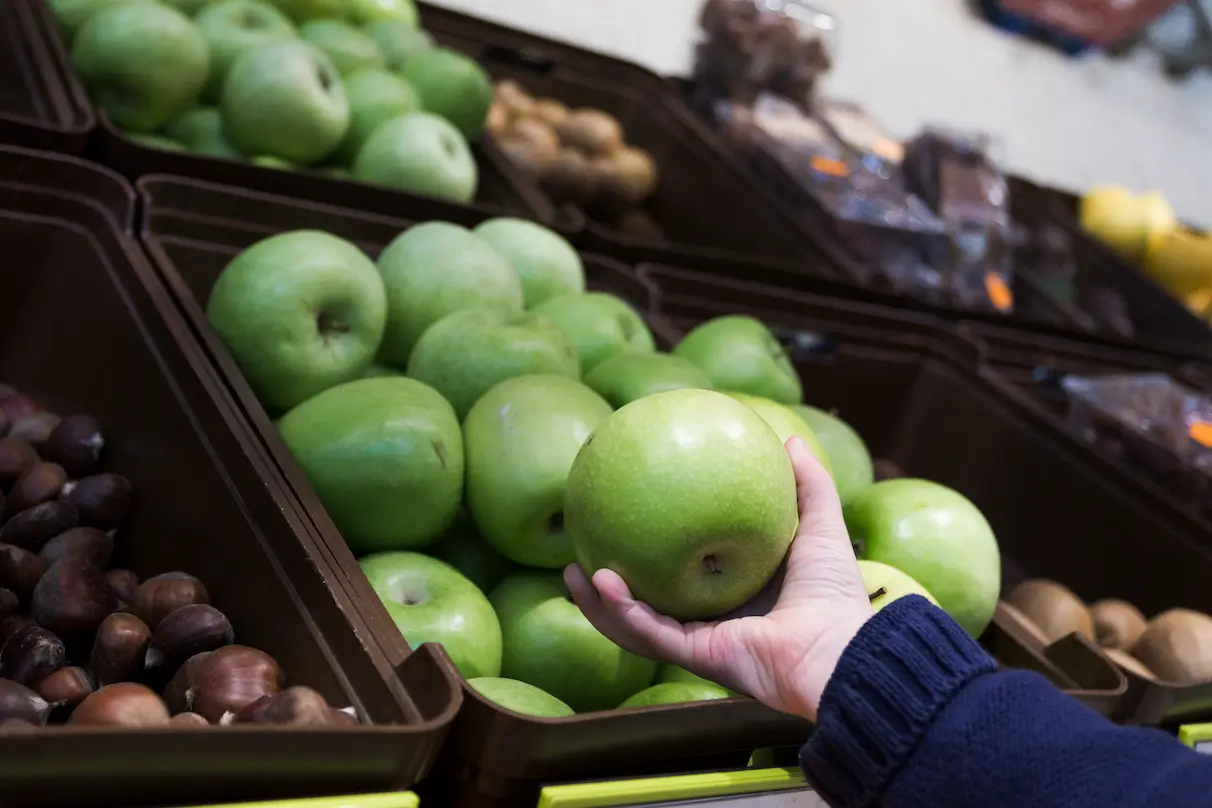
Fruits are one of nature’s greatest gifts, rich in flavor, nutrition, and diversity. However, farmers often face challenges such as post-harvest losses, low market prices, and lack of direct access to consumers. Without proper handling and processing, a large portion of fruit harvests is wasted, reducing farmer income and depriving communities of valuable nutrition.
Value addition for fruits is the process of enhancing the usability, shelf life, and market potential of fruits through scientific processing, preservation, and innovative product development. Instead of selling fruits only in their raw form, farmers can transform them into a variety of high-value products that reach wider markets and fetch better prices.
Why Value Addition is Important
- Reduce Post-Harvest Losses – Fruits are highly perishable, and improper storage leads to massive wastage. Value addition ensures fruits are preserved and utilized efficiently.
- Increase Farmer Income – Processed fruit products sell at higher prices than raw produce, giving farmers better returns.
- Create Market Opportunities – Value-added products such as juices, jams, or dried fruits can be marketed locally, nationally, and even globally.
- Enhance Nutrition Availability – Processing helps retain and deliver nutrients in forms that are convenient and widely consumed.
- Generate Employment – Fruit processing units create job opportunities in rural areas.
Methods of Fruit Value Addition
- Fruit Preservation
- Canning, freezing, and dehydration extend shelf life without losing nutritional value.
- Juice and Beverage Production
- Fresh fruits can be processed into juices, smoothies, nectars, and concentrates that appeal to all age groups.
- Jams, Jellies, and Marmalades
- Sweetened fruit spreads made from mango, guava, strawberry, or orange provide farmers with an evergreen market.
- Drying and Dehydration
- Technologies like solar drying or freeze-drying create dried fruit snacks, which are in high demand as healthy alternatives to junk food.
- Pickles and Fermented Products
- Traditional pickles, fruit wines, and vinegar add flavor and cultural value while creating additional revenue streams.
- Frozen and Ready-to-Eat Products
- IQF (Individually Quick Frozen) fruits are widely used in bakeries, hotels, and the food service industry.
- Fruit Powders and Concentrates
- Fruits like amla, banana, or mango can be converted into powders for beverages, nutritional supplements, and culinary uses.
Benefits for Farmers
- Higher Profit Margins – By selling processed products, farmers earn more than selling raw fruits.
- Market Stability – Value addition reduces dependency on seasonal price fluctuations.
- Longer Shelf Life – Farmers can store and sell products over time instead of rushing to sell perishable fruits.
- Diversified Products – A single fruit can create multiple products, expanding market reach.
- Consumer Trust – Hygienic, packaged products enhance consumer confidence and build farmer brands.
Our Value Addition Services
We provide farmers with a complete solution for fruit processing and value addition, which includes:
- Training programs on fruit processing, preservation, and product development.
- Setting up processing units with modern, cost-effective equipment.
- Guidance on quality control to meet food safety standards.
- Branding and packaging support to make products market-ready.
- Market linkage assistance to connect farmers with retailers, wholesalers, and e-commerce platforms.
Real Impact of Value Addition
A farmer who once sold raw mangoes at low seasonal prices can now produce mango pulp, pickles, and dried slices, selling them throughout the year at higher profits. Similarly, guava can be transformed into juices, strawberry into jams, and banana into chips or powder. This simple shift from raw sales to processed sales empowers farmers to multiply their income and reduce wastage drastically.
Building a Sustainable Ecosystem
Value addition is not only about higher income but also about creating sustainable supply chains. By reducing wastage and optimizing resource use, it contributes to environmental protection while supporting rural livelihoods.
The Future of Fruit Value Addition
With increasing demand for natural, healthy, and organic food, fruit-based products are gaining popularity worldwide. Farmers who adopt value addition today are positioning themselves for long-term success in a competitive global market.
Our Promise
Through training, technology, and market access, we aim to make farmers entrepreneurs in fruit processing, not just cultivators. With value addition, fruits no longer go to waste—they become profitable, sustainable, and beneficial products for both farmers and consumers.