For decades, farmers in India have been stuck in a cycle of selling raw produce at low prices. By the time their crops reach consumers, middlemen and retailers capture most of the profit. Farmers remain underpaid, even though they do the hardest work.
The solution? Value Addition.
What is Value Addition?
Value addition means processing raw crops into market-ready products. For example:
- Turning mangoes into pulp, juice, or jam
- Processing tomatoes into puree or ketchup
- Converting milk into cheese, ghee, or yogurt
- Packaging grains and pulses into branded products
By adding value, farmers can sell directly to markets, retailers, or even online platforms, earning 2x to 5x more than raw produce sales.
Why Value Addition is a Game Changer
- Higher Profit Margins – Instead of selling a kilo of raw tomatoes for ₹10, processed tomato puree may sell for ₹60.
- Reduced Wastage – Perishable produce like fruits and vegetables can be processed, extending their shelf life.
- Brand Building – Farmers or FPOs (Farmer Producer Organizations) can sell under their own brand name.
- Market Expansion – Processed products can reach urban, national, and even international markets.
- Job Creation – Rural youth get employment in processing units, reducing migration to cities.
The Role of Technology & Training
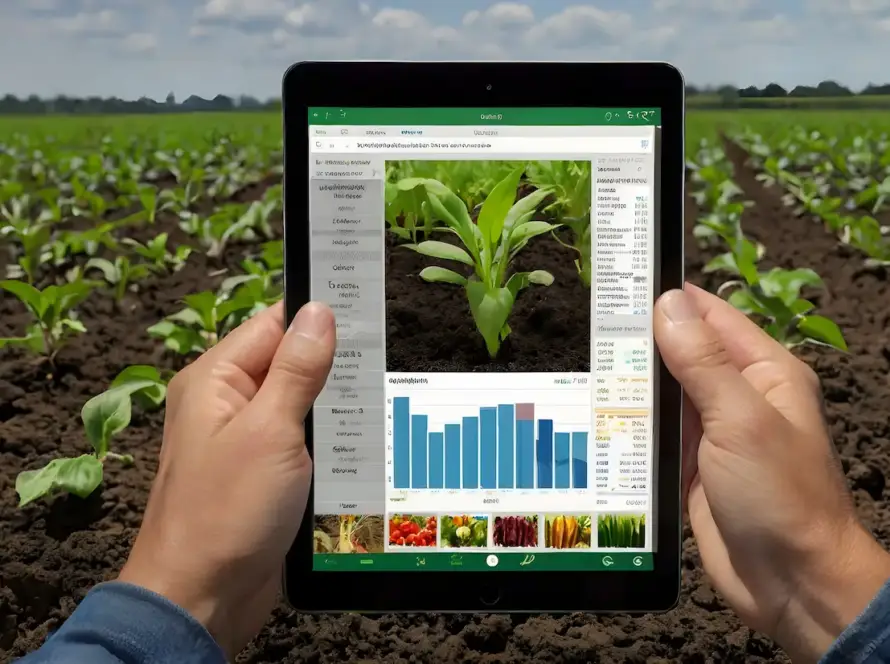
With modern food processing units, packaging technology, and cold storage, farmers now have the tools to process and sell directly. Training and franchise support make it easier for rural entrepreneurs to set up value addition units.
Real-Life Impact
Farmers in Maharashtra processing Alphonso mangoes into pulp are exporting globally, earning much more than raw fruit sales. Similarly, dairy farmers converting milk into cheese have tapped into urban markets.
The Road Ahead
Value addition is not just a business opportunity, it’s a movement to uplift farmers’ incomes. By adopting this model, Indian farmers can move from “producers” to “agripreneurs”, gaining control over the market and their future.